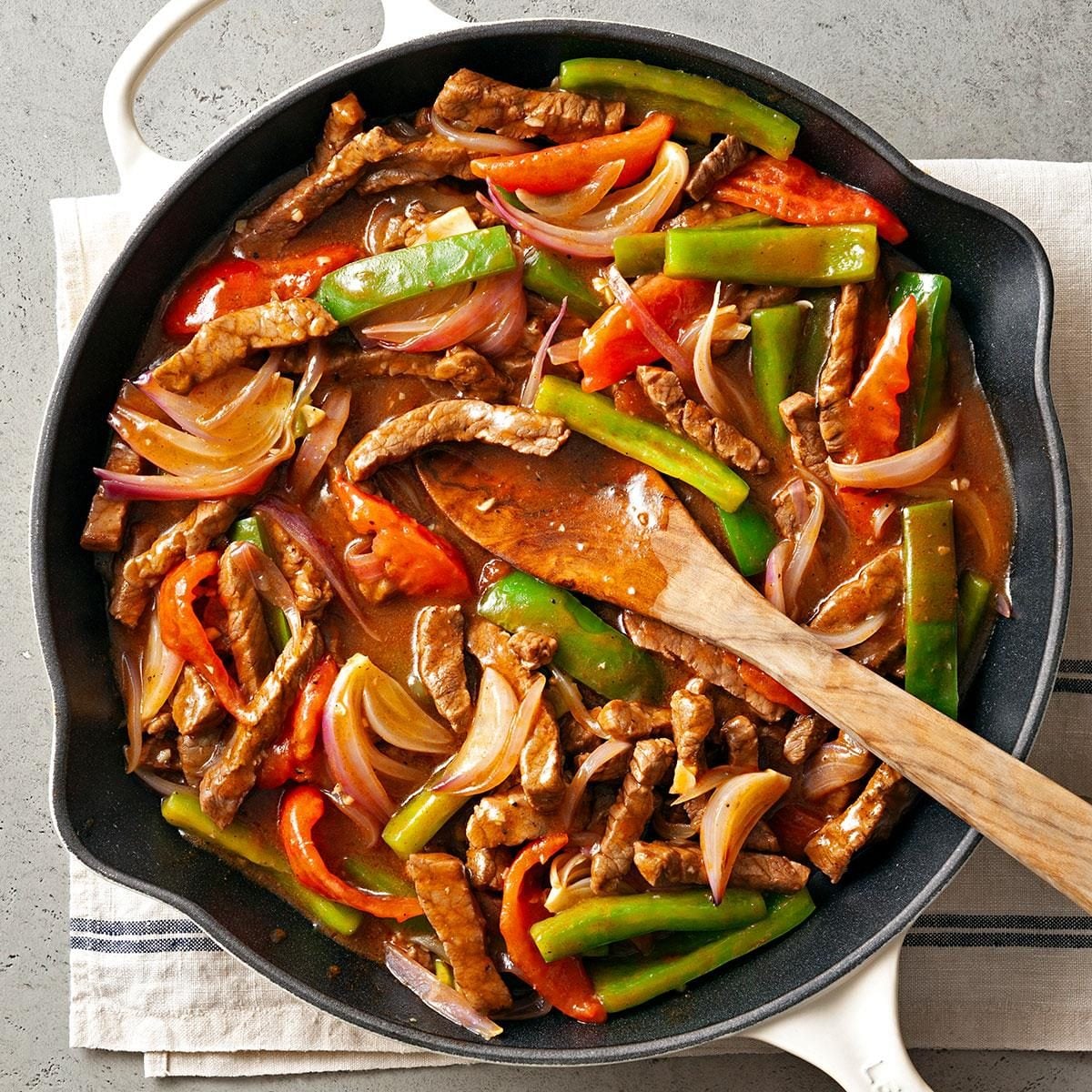
Secrets to Perfect Pepper Steak Sauce: Umami & Balance
The tantalizing aroma of a sizzling stir-fry, the vibrant colors of crisp bell peppers, and the tender bite of perfectly cooked beef – these are the hallmarks of a truly satisfying pepper steak. But what elevates a good pepper steak to an unforgettable culinary experience? The answer, unequivocally, lies in its sauce. More than just a coating, the sauce for any pepper steak recipe is the very soul of the dish, a masterclass in achieving umami richness and impeccable flavor balance. This beloved Chinese-American classic is a weeknight hero, promising a hearty, flavorful meal in a mere 30 minutes. Whether you’re seeking a simple, reliable dinner, a quick takeout alternative, or just a burst of savory satisfaction, pepper steak consistently hits the spot. The secret to its enduring appeal and depth of flavor is a carefully constructed sauce, where each ingredient plays a crucial role in creating a symphony of tastes. Let’s dive into the essential components and techniques that unlock the magic of perfect pepper steak sauce.The Foundation of Flavor: Essential Sauce Ingredients
A great pepper steak sauce isn't about complexity, but rather the harmonious interplay of a few key ingredients. Each element contributes distinct qualities that, when combined, create a rich, glossy, and perfectly balanced glaze.Soy Sauce: The Umami Powerhouse
At the heart of virtually any savory Asian stir-fry sauce is soy sauce, and our pepper steak recipe is no exception. It serves as the primary base, delivering a deep, fundamental saltiness and that coveted savory umami flavor. Umami, often described as the fifth taste, adds a meatiness and depth that makes the sauce incredibly satisfying.
When selecting soy sauce, consider reduced-sodium varieties. While traditional soy sauce is perfectly acceptable, a reduced-sodium option allows for greater control over the overall saltiness of your dish, letting the other flavors shine without being overwhelmed. This also gives you the flexibility to season your beef or add a pinch of salt if needed. Beyond just salt and umami, good quality soy sauce brings subtle fermented notes that add complexity to the sauce’s profile.
Rice Wine Vinegar: The Balancing Acidity
In the world of stir-fries, balance is paramount. With the rich, salty depth of soy sauce and the savory notes from the beef, a touch of acidity is essential to cut through and brighten the flavors. This is where rice wine vinegar steps in, acting as the perfect counterpoint. Made from fermented rice, it offers a gentle, slightly sweet tang that is less harsh than other vinegars, making it ideal for delicate Asian flavor profiles.
Rice wine vinegar converts the starches and sugars in rice into alcohol and then into an acidic vinegar, resulting in a nuanced, clean finish. If you don't already have it in your pantry, adding it to your staples is a worthwhile investment. It's incredibly versatile, perfect for not only sauces but also dressings, marinades, and pickling. The subtle acidity ensures that the sauce never feels heavy or one-dimensional.
Light Brown Sugar: Sweetness, Depth, and Shine
To truly achieve balance, the salty and acidic notes in the sauce need a sweet counterpoint. Light brown sugar is the ideal choice here, offering more than just sweetness. Its molasses-laden flavor adds a subtle caramel depth that white sugar simply can't replicate. This richness complements the savory umami and tames the sharp edges of the vinegar and soy.
Beyond flavor, brown sugar plays a crucial textural role. It helps to thicken the sauce slightly as it cooks and caramelizes, contributing to that desirable glossy finish that makes pepper steak so appealing. Start with a conservative amount and adjust to your taste, ensuring the sweetness enhances rather than dominates the other flavors.
Cornstarch: The Thickening Catalyst
A hallmark of a perfect pepper steak sauce is its ability to coat the beef and vegetables beautifully, creating a luscious glaze rather than a watery broth. Cornstarch is the magic ingredient responsible for this thickening. A little goes a long way, so it's best to start small and gradually build to your desired consistency.
The key to using cornstarch effectively is to always create a "slurry" first. This involves whisking the cornstarch with an equal amount of cold water until smooth before adding it to your hot sauce. Adding dry cornstarch directly to hot liquid will almost certainly result in lumps. The slurry technique ensures a smooth, silky texture without any chalkiness. Observe the sauce as it thickens; it will visibly become glossier and cling to the back of a spoon. If you need more thickness, simply make another small slurry and whisk it in.
Building the Flavor Profile: Aromatics and Cooking Oil
While the sauce ingredients are paramount, the overall flavor of your customizable pepper steak is also heavily influenced by the aromatics and the cooking medium.
Ginger & Garlic: The Aromatic Foundation
No savory stir-fry is complete without the dynamic duo of fresh ginger and garlic. This classic combination forms the aromatic backbone of pepper steak, infusing the entire dish with warmth, pungency, and an irresistible fragrance. The ginger adds a spicy, zesty kick, while the garlic provides a deep, earthy note. Together, they create a comforting and familiar flavor profile that is quintessentially Asian.
For best results, use fresh ginger and garlic, finely minced or grated. Adding them to the hot oil at the beginning of the stir-fry allows their flavors to bloom, creating a fragrant base before the beef and vegetables even hit the pan. Be careful not to burn them, as this can lead to a bitter taste.
Vegetable Oil: The High Smoke Point Essential
Stir-frying demands high heat and quick cooking. Therefore, choosing the right oil is crucial. You need a neutral oil with a high smoke point – one that can withstand intense temperatures without breaking down and imparting off-flavors or burning. Vegetable oil, canola oil, and peanut oil are excellent choices for their ability to handle the heat of a wok or skillet.
Using a high smoke point oil ensures that your ingredients sear quickly, developing delicious caramelized edges on the beef and maintaining a crisp-tender texture in the bell peppers, all while preventing scorching. The oil also acts as a carrier for the flavors of the ginger and garlic, distributing them throughout the dish.
Beyond the Sauce: The Supporting Cast of a Perfect Pepper Steak
While our focus is undeniably on the sauce, the other components of the pepper steak play vital roles in achieving the overall deliciousness.
Flank Steak: The Cut of Choice
Flank steak is a perennial favorite for pepper steak, and for good reason. It boasts a robust, beefy flavor and, when sliced thinly against the grain, becomes incredibly tender. Its marbling of fat also contributes to a rich mouthfeel. However, flank isn't your only option. Skirt steak offers a very similar result, while sirloin is a more budget-friendly alternative that still delivers great flavor and texture when prepared correctly. The key for any cut is to slice it thinly, against the grain, for maximum tenderness.
Bell Peppers: A Spectrum of Sweetness and Crunch
The "pepper" in pepper steak traditionally refers to bell peppers, which bring vibrant color, a satisfying crunch, and a subtle sweetness to the dish. Green, yellow, orange, and red bell peppers are all the same vegetable at different stages of ripeness. Green peppers are the least ripe, offering a more vegetal and slightly bitter note, while red peppers are the sweetest and ripest. Feel free to use any combination that appeals to your palate – a mix often provides the most visual appeal and a balanced flavor profile.
Achieving Umami and Balance: The Art of Tasting and Adjusting
The true secret to a perfect pepper steak sauce lies not just in the ingredients, but in the understanding of how they interact. Umami provides the deep, savory foundation, while the balance of salty, sweet, and sour ensures that no single flavor overwhelms the others. As you cook, it's essential to taste and adjust.
Start with the recommended proportions in your chosen pepper steak recipe, but don't be afraid to tweak. If it tastes too salty, a dash more sugar or vinegar can often correct it. If it lacks vibrancy, a tiny splash more vinegar can awaken the flavors. If it feels flat, a touch more soy sauce or even a pinch of an umami enhancer like mushroom powder can do wonders. This iterative process of tasting and adjusting is what truly transforms a good sauce into a *perfect* one, tailored precisely to your preferences.
Tips for Your Best Homemade Pepper Steak
- Marinade Briefly: Even a quick 15-minute marinade with a touch of soy sauce, cornstarch, and oil can tenderize your beef and infuse it with flavor.
- High Heat, Not Overcrowding: Ensure your wok or skillet is screaming hot. Cook the beef in batches if necessary to avoid overcrowding, which steams the meat instead of searing it.
- Prep Everything First: Stir-fries cook incredibly fast. Have all your ingredients, including your sauce, measured and ready to go before you even turn on the heat. This is often referred to as "mise en place."
- Don't Overcook Peppers: Add bell peppers towards the end of cooking to maintain their crisp-tender texture and vibrant color.
- Serve Immediately: Pepper steak is best enjoyed fresh off the stove, allowing you to savor the textures and flavors at their peak. It pairs beautifully with steamed rice or noodles.
Conclusion
The allure of a perfect pepper steak lies in its rich, harmonious sauce. By understanding the crucial roles of soy sauce for umami, rice wine vinegar for acidity, brown sugar for sweetness and body, and cornstarch for thickening, you unlock the secrets to a truly exceptional dish. When combined with the aromatic power of ginger and garlic, and the proper cooking techniques, you’re not just making a meal; you’re creating a balanced symphony of flavors. So, next time you crave that satisfying stir-fry experience, remember that the key to an unforgettable pepper steak recipe is all in the sauce – a testament to the power of umami and balance.
